
Your gym might look spotless, but microbes don’t care about appearances. From shared weights to yoga mats, bacteria, viruses, and fungi thrive in places most members never think about.
AML testing has identified the most common “fail points” in fitness environments – and they might surprise you.
The Top 10 Germ Hotspots
- Exercise mats – porous, absorb sweat, rarely deep-cleaned.
- Touchscreens on cardio machines – thousands of presses daily.
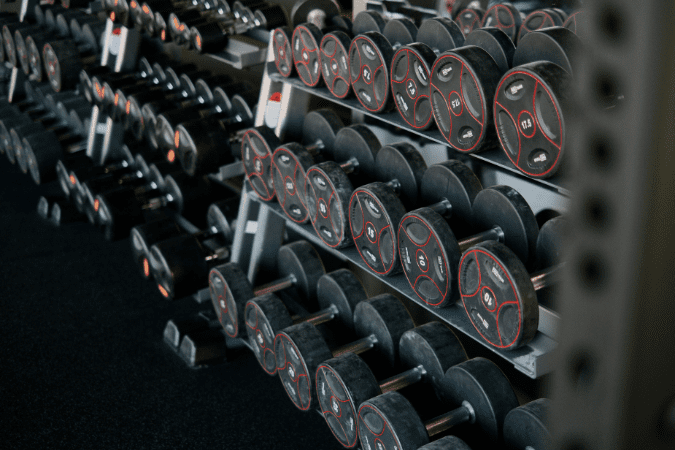
- Dumbbell and barbell handles – high contact, high sweat load.
- Resistance bands and cables – often overlooked in cleaning.
- Foam rollers – textured surface = germ heaven.
- Locker room benches – damp, warm, fungal risk.
- Shower floors – dermatophyte breeding ground.
- Water fountains/bottle fillers – saliva contact risk.
- EFTPOS machines – touched by hundreds of fingers daily.
- Shared towels (if provided) – still exist in some boutique gyms.
What the Science Says
- Staphylococcus aureus can survive for 3+ days on gym equipment.
- Mould spores can persist for months on damp surfaces.
- Viruses like flu can linger 24–48 hours on metal and plastic.
Actionable Steps
- Rotate deep cleans across all equipment.
- Introduce visible “last cleaned” signage.
- Test monthly to validate your cleaning protocols.
Kit Connection
AML’s surface swab kits allow gyms to identify problem zones quickly – and use the results to educate both staff and members.
Conclusion
The dirtiest surfaces aren’t always the obvious ones. By testing the right places, gyms can protect members and use hygiene as a marketing advantage.
CTA: Want to prove your gym is the cleanest in town? Ask AML about rapid hygiene testing.