Many food businesses focus their testing efforts on the finished product. While this is important, it’s a reactive strategy. By the time a pathogen is found in a finished product,…
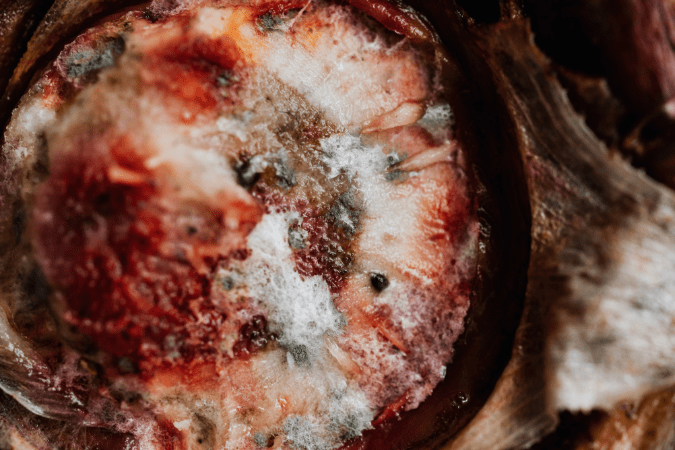
Spoilage is one of the most expensive - and preventable - losses for food manufacturers. During Australia’s summer months, spoilage rates can skyrocket, particularly in chilled, fresh, and ready-to-eat foods.…
Air is one of the most underestimated contamination vectors in food production. While surfaces, equipment, and water systems receive consistent attention, the microbial condition of the air - and the…
Australia’s warm season brings higher foot traffic, increased humidity, fluctuating temperatures, and heavier production cycles across food manufacturing. Unfortunately, it also brings an uptick in microbial contamination. Summer is one…
In food production, cleanliness and safety go hand in hand - but looking clean isn’t always enough. Residue testing plays a crucial role in ensuring that surfaces, equipment, and products…
Exporting food products opens doors to new markets, but it also opens you up to a complex web of international regulations, certifications, and quality expectations. Whether you're targeting Asia, Europe,…
When we think about food safety, air isn’t usually the first thing that comes to mind. But in food production facilities, the air can be a hidden vehicle for contamination,…
Keeping food production environments safe and hygienic isn’t just about cleaning protocols, it’s about knowing whether your efforts are working. That’s where environmental monitoring comes in. Regular testing of surfaces,…
Consumers trust that the foods they buy are safe to consume within the indicated “best before” or “use by” dates. But behind those simple labels lies a complex science—shelf-life testing.…
Water is essential to almost every stage of food production, from washing raw materials to cooking, cooling, and cleaning. But just because water looks clear doesn’t mean it’s safe. Understanding…