You’ve done everything right. You’ve implemented a robust Environmental Monitoring Program, you’re testing your finished products, and you’ve partnered with a NATA-accredited laboratory like Analytical Microlabs. The samples are sent…
Water is one of the most important - and most overlooked - contributors to food safety. During summer, warmer temperatures, heavy rainfall, increased water usage, and changing environmental conditions elevate…
Australia’s warm season brings higher foot traffic, increased humidity, fluctuating temperatures, and heavier production cycles across food manufacturing. Unfortunately, it also brings an uptick in microbial contamination. Summer is one…
Water systems inside commercial, industrial, and public facilities can harbour a range of microbial threats - but none are as misunderstood, underestimated, or potentially dangerous as Legionella. While many organisations…
Just because it's cold doesn't mean bacteria stop growing. In fact, winter conditions in food production environments can increase the risk of cross-contamination—especially if cleaning and temperature control measures aren’t…
Introduction: Microbiological testing (or micro testing) is essential for maintaining food safety and ensuring your products meet required food safety standards. Pathogens such as Salmonella, Listeria, and Spoilage Bacteria such…
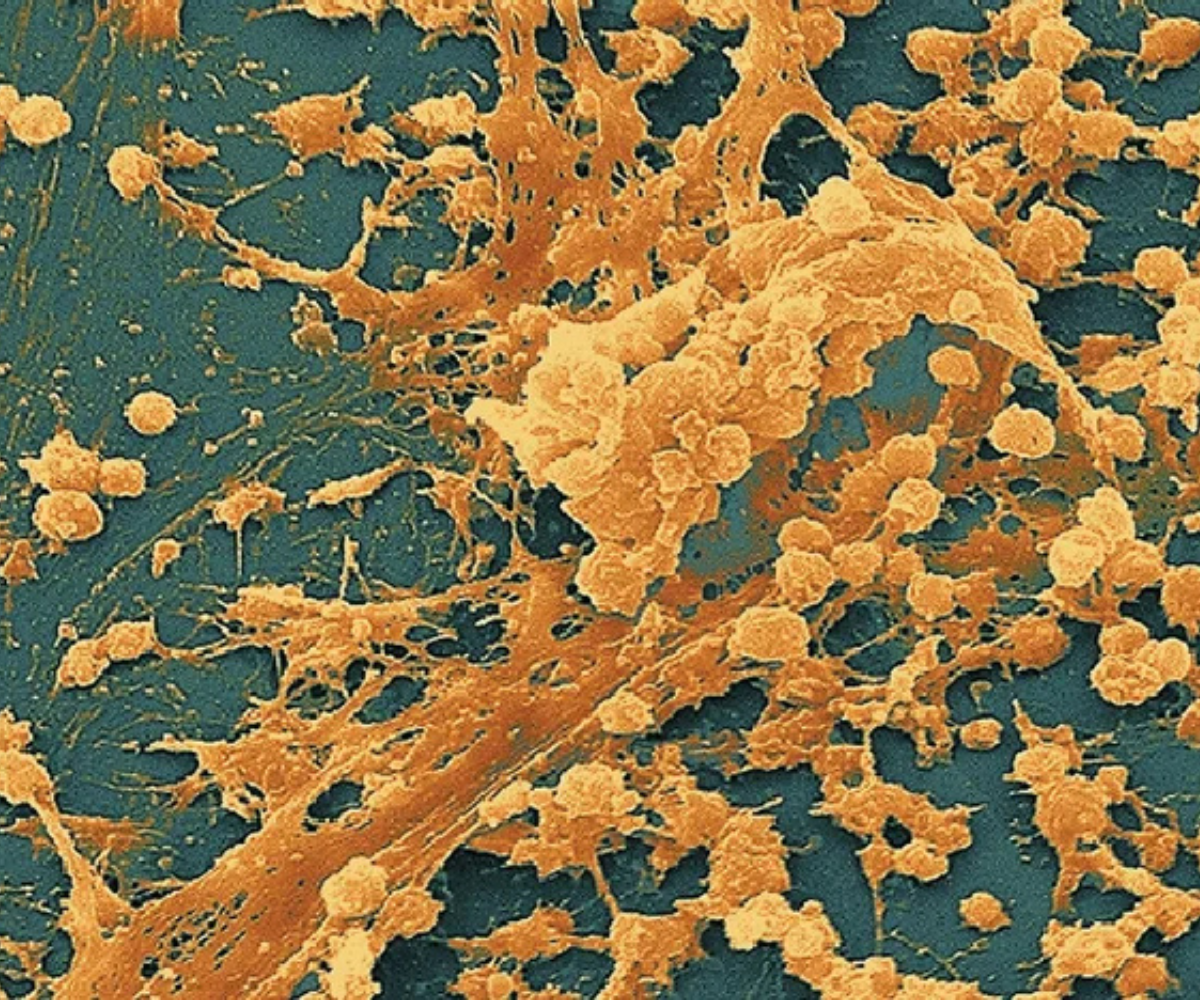
Introduction Biofilms are a major but often overlooked risk in food manufacturing. These resilient bacterial communities form on food-contact surfaces, making them highly resistant to cleaning and disinfection. If left…
Introduction Food safety is non-negotiable in today’s industry, and microbiological testing plays a crucial role in ensuring compliance and consumer protection. Failing to conduct regular testing can lead to product…