
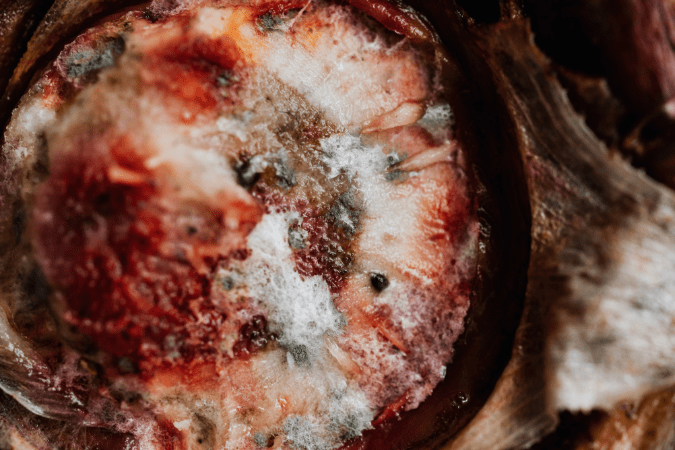
Spoilage is one of the most expensive – and preventable – losses for food manufacturers. During Australia’s summer months, spoilage rates can skyrocket, particularly in chilled, fresh, and ready-to-eat foods.
Heat accelerates microbial growth.
Humidity accelerates mould growth.
Temperature fluctuations accelerate product breakdown.
And together? They create the perfect environment for rapid spoilage and reduced shelf life.
This blog explores why summer poses heightened risks and how AML supports facilities in preventing spoilage before it impacts products, brand reputation, and profitability.
Why Spoilage Spikes in January-February
1. Warm temperatures speed up microbial metabolism
Bacteria multiply significantly faster in high heat.
Spoilage organisms of concern include:
- Pseudomonas spp.
- Lactic acid bacteria
- Bacillus species
- Yeasts (Candida, Rhodotorula)
- Common moulds (Penicillium, Cladosporium)
Foods spoil faster not because they are “less fresh,” but because microbes grow exponentially in summer.
2. Humidity weakens packaging integrity
Packaging absorbs moisture during transport and storage, which can lead to:
- weakened seals
- condensation inside packs
- mould growth on surfaces
- reduced oxygen barrier function
Products that normally last 10–14 days may lose several days of shelf life.
3. Temperature abuse during distribution
Summer transport is a major issue, especially for long-haul or mixed-load deliveries.
Common problems include:
- cold chain breaks
- warm loading docks
- truck door openings causing temperature spikes
- stacking patterns blocking airflow
Each fluctuation weakens product stability.
4. Heat impacts equipment performance
When equipment overheats or runs at maximum capacity, contamination occurs more easily:
- refrigeration units cycle more frequently
- seal and gasket failures increase
- compressors struggle to maintain cold-room temperatures
- condensate builds on ceilings and ducts
All of these factors feed spoilage organisms.
Foods Most Affected by Summer Spoilage
✔ fresh-cut produce
✔ poultry and red meat
✔ seafood
✔ ready-to-eat meals
✔ dairy and cultured products
✔ baked goods
✔ dips, dressings, and sauces
✔ plant-based protein alternatives
These products require stricter testing during warm months.
How AML Helps Prevent Spoilage Before It Starts
AML provides targeted summer spoilage prevention services:
✔ Shelf-life testing under real and accelerated conditions
✔ Microbial profiling to identify spoilage organisms
✔ Temperature abuse modelling
✔ Pathogen screening for high-risk products
✔ Environmental monitoring of warm and humid zones
✔ Cooling, airflow, and cold-chain assessments
We don’t just identify the cause – we help extend product shelf life.
Strategies to Reduce Summer Spoilage
Facility Controls
- Monitor cold-room temperatures more frequently
- Increase air sampling in warm months
- Deep-clean refrigeration units and evaporators
- Validate your cooling and chilling steps
- Check gaskets, seals, and insulation weekly
Product & Packaging Controls
- Shorten distribution windows
- Verify packaging function in high humidity
- Increase environmental swabs around packing lines
- Test high-risk foods more often in summer
People & Process Controls
- Train staff on the dangers of warm-weather temperature abuse
- Add checkpoints for truck loading temperatures
- Strengthen handoff procedures between shifts
- Use digital temperature tracking for logistics
Final Takeaway
Summer spoilage is predictable – and preventable. With Australia’s January–February heat, proactive testing and environmental control are essential for protecting shelf life, maintaining product quality, and keeping consumers safe. AML’s testing services help facilities stay ahead of emerging spoilage risks before they impact production or the bottom line.