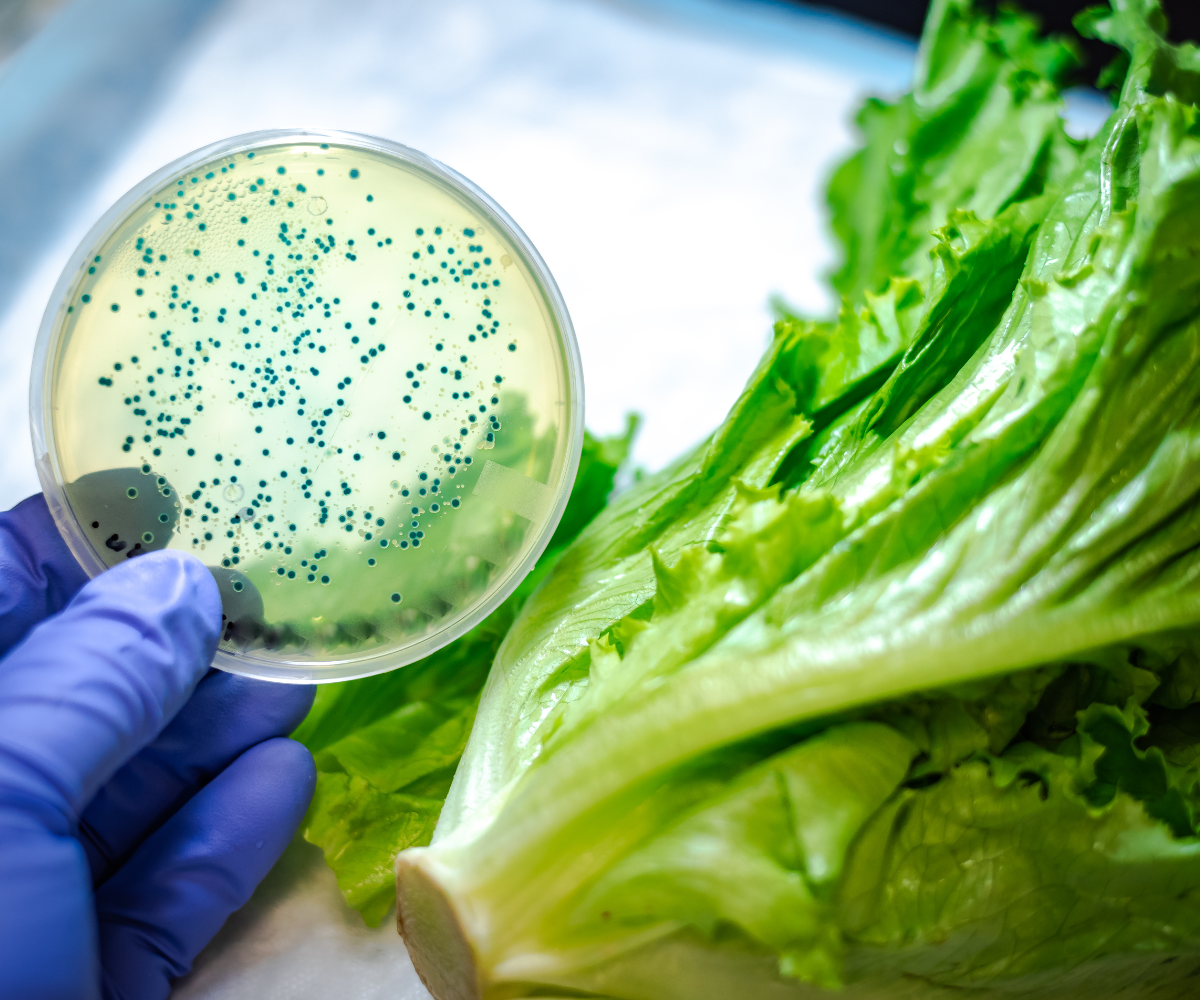
Introduction: Cross-contamination is one of the most significant threats to food safety, and it can occur at any stage of the food supply chain—from raw ingredient handling to final packaging.…
Introduction: Water is one of the most essential ingredients in food production, but many overlook its critical role in maintaining food safety. Whether it's used for cleaning equipment, food preparation,…
Introduction: As we transition through the seasons, food manufacturers must adapt to changing environmental conditions to maintain the safety and quality of their products. Spring and summer bring unique challenges,…
As businesses across industries aim to deliver high-quality products, one of the most critical factors that often gets overlooked is product testing. Whether you're in food production, healthcare, pharmaceuticals, or…
When it comes to food safety and shelf life, most people focus on moisture content. While moisture is certainly a factor, the key to understanding spoilage and product stability lies…
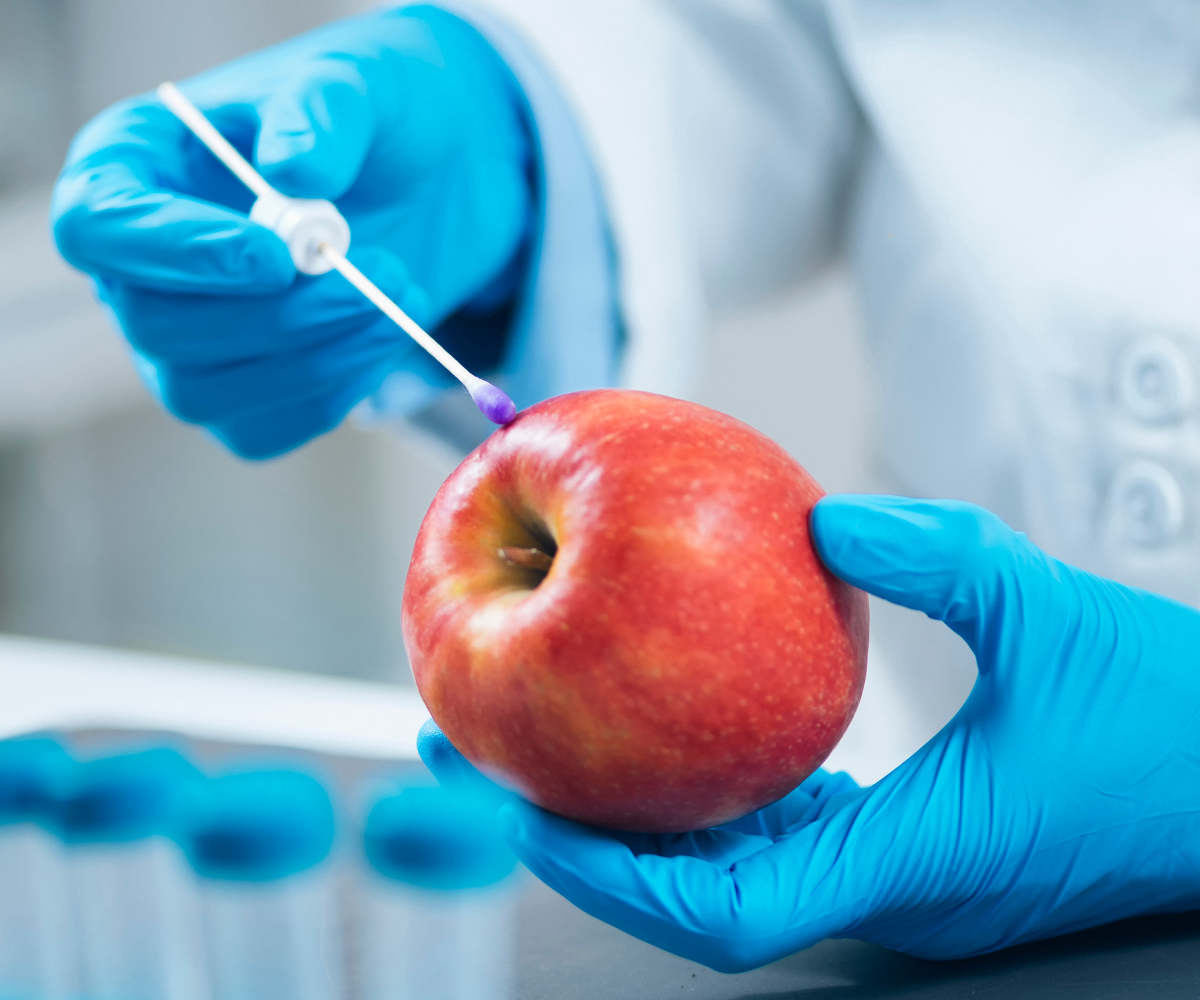
In the food production industry, hygiene is everything. Clean surfaces aren’t just about making a good impression—they’re critical to ensuring food safety, meeting regulatory standards, and protecting public health. Even…
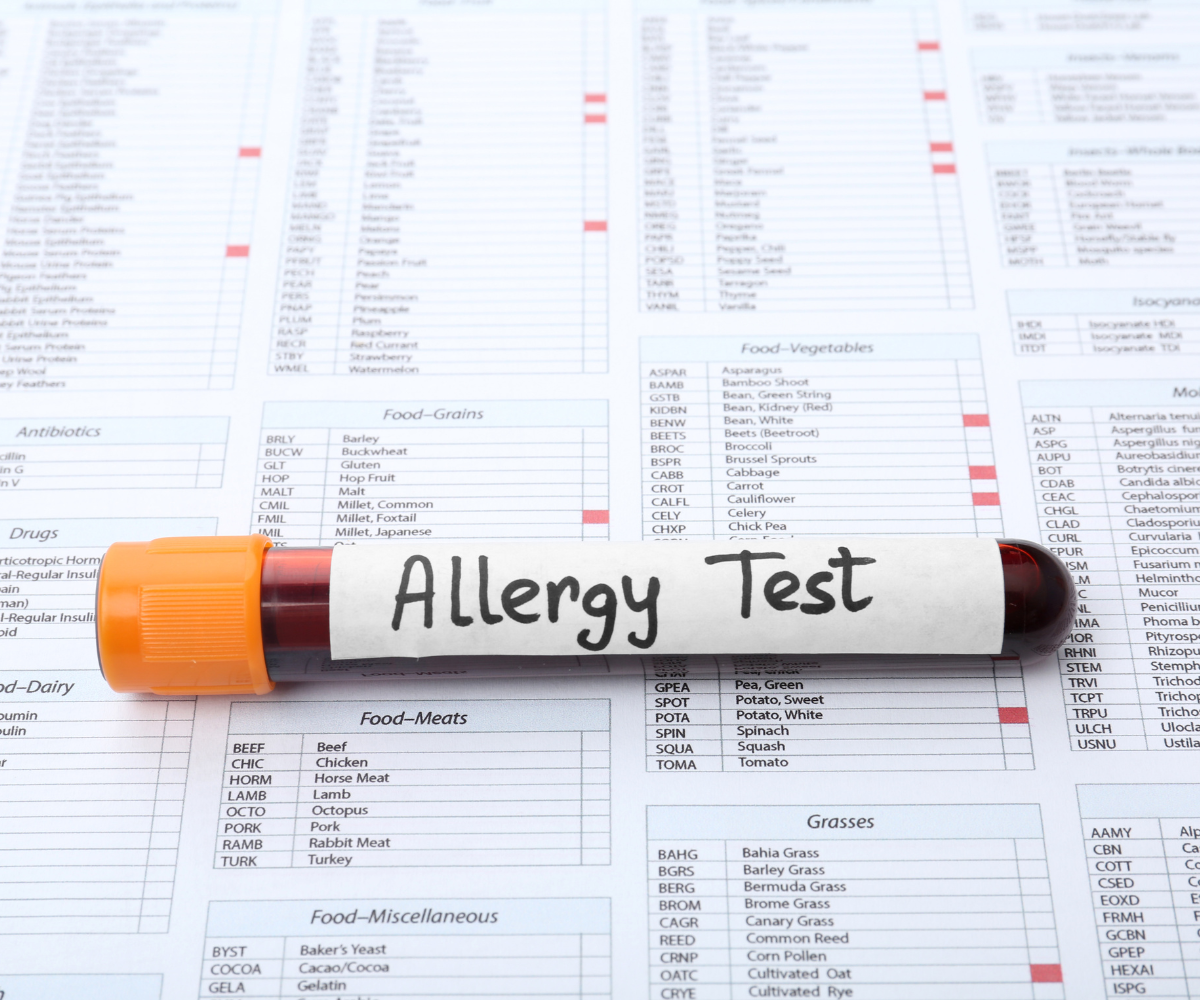
Did you know that undeclared allergens are the leading cause of food product recalls in Australia and around the world? For individuals with food allergies, even trace amounts of an…
Introduction Food safety is non-negotiable in today’s industry, and microbiological testing plays a crucial role in ensuring compliance and consumer protection. Failing to conduct regular testing can lead to product…
Introduction Pathogen outbreaks remain a top concern in food safety, particularly for dairy, seafood, meat, and ready-to-eat products. Harmful bacteria such as Salmonella, Listeria monocytogenes, E. coli, and Clostridium perfringens…