
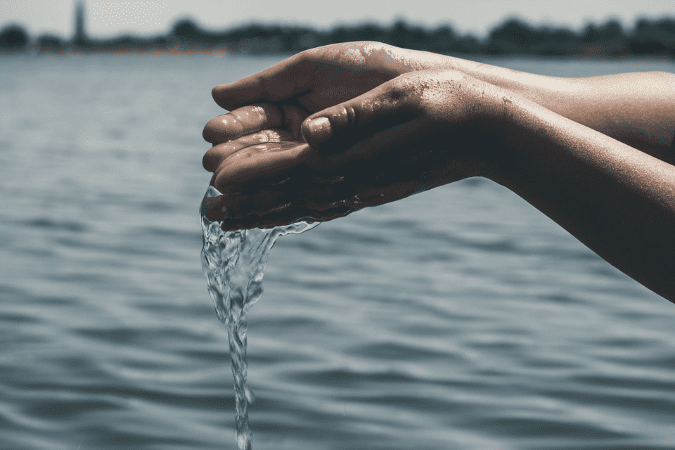
Water is one of the most important – and most overlooked – contributors to food safety. During summer, warmer temperatures, heavy rainfall, increased water usage, and changing environmental conditions elevate the risk of microbial contamination in facility water systems. Whether used for cleaning, ice production, steam, ingredient mixing, or equipment operation, water must be consistently safe. Summer makes that harder.
Why Water Quality Declines in Summer
1. Higher temperatures accelerate microbial growth
Warm water encourages rapid multiplication of:
- Coliforms
- E. coli
- Pseudomonas
- Legionella
Warm pipes and tanks become microbial incubators.
2. Biofilms strengthen and grow faster
Biofilms flourish in warm conditions, protecting bacteria from sanitation chemicals. Once established, they can shed microorganisms into ice machines, hoses, wash tanks, and more.
3. Storm events disrupt water supply
Heavy rainfall can:
- Introduce sediment
- Carry animal waste, soil, and runoff into municipal systems
- Increase turbidity
- Reduce chlorination effectiveness
- Cause sudden spikes in microbial load
Food facilities often don’t realise this until contamination appears downstream.
4. Higher summer usage rates stress systems
Greater demand leads to:
- Pressure fluctuations
- Stagnation in unused lines
- Variation in incoming water quality
- Inconsistent sanitiser residuals
More water use doesn’t mean safer water.
High-Risk Water Contact Points in Food Facilities
- Wash tanks and rinse lines
- Mixing/ingredient water
- CIP systems
- Steam and condensate
- Ice machines
- Water storage tanks
- Cooling towers
- Handwashing stations
- Hoses and spray bars
- Hydration/drink stations in facilities with staff amenities
Every point where water touches product or equipment is a potential contamination entry point.
What Can Go Wrong if Water Isn’t Tested
❌ Spoilage organisms affecting shelf life
❌ Pathogens entering product streams
❌ Contaminated ice used in food or drinks
❌ Biofilm clogging pipes or corroding equipment
❌ Failed audits
❌ Increased cleaning chemical usage
❌ Poor flavour or product instability
Water quality issues often present as operational problems long before they are recognised as microbial problems.
How AML Protects Your Water Systems During Summer
AML provides specialised water testing tailored to summer risks.
✔ E. coli & Coliforms testing
✔ Legionella screening for cooling towers & warm-water systems
✔ Ice machine testing
✔ Trend reporting to spot increasing contamination
We help facilities detect problems early – before they disrupt production.
Best Practices for Summer Water Safety
- Increase water testing frequency from December to February
- Flush low-use taps and hoses regularly
- Check chlorination levels weekly
- Clean and sanitise ice machines frequently
- Inspect water filters for clogging
- Review storm/weather alerts for potential impact
- Validate final-rinse water used in cleaning processes
Final Takeaway
Summer conditions can compromise even the best-controlled water systems. Consistent water testing is the only way to verify that your facility’s water remains safe – no assumptions, no guesswork.