
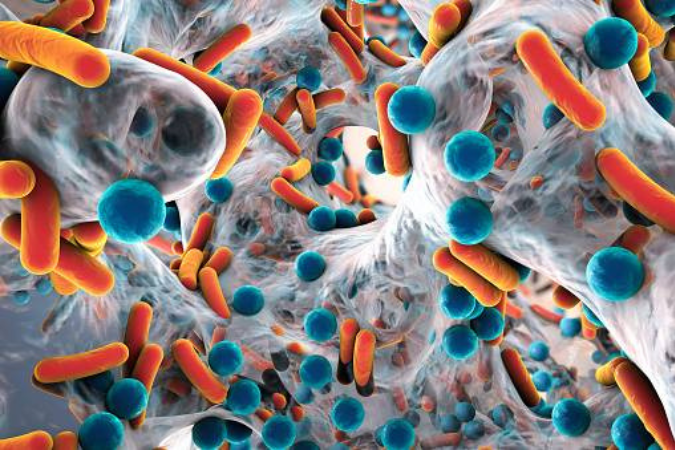
Biofilms are one of the toughest, most persistent food safety challenges – and summer conditions make them even more resilient. These microbial communities stick to surfaces, resist sanitiser chemicals, and can release harmful pathogens like Listeria, Salmonella, Pseudomonas, and E. coli into products and processing environments.
In warm, humid months, biofilms form faster, become more robust, and can evade routine cleaning practices. If a facility experiences repeat positives during January–February, biofilms are often the underlying cause.
Understanding how biofilms behave – and how to detect and eliminate them – is essential for compliance and product safety.
How Biofilms Thrive in Summer
1. Heat accelerates microbial adhesion
Warm surfaces allow bacteria to attach more quickly and begin forming protective layers.
Surfaces at highest risk include:
- stainless steel
- conveyor belts
- slicers and dicers
- gaskets and seals
- drain interiors
- packaging equipment
- inside pipes and valves
Biofilms can form in as little as two hours in warm conditions.
2. Humidity strengthens biofilm structure
Moisture fuels the development of EPS (extracellular polymeric substances) – the slimy matrix that protects biofilms from chemicals and heat.
The thicker the EPS layer, the harder it becomes to remove.
3. Sanitiser effectiveness drops in hot environments
Chemical evaporation and reduced contact time mean:
- less kill power
- incomplete removal
- higher survival and regrowth rates
Facilities often think they’ve “cleaned properly,” yet biofilm residue remains.
4. Summer staff changes increase the risk of missed cleaning steps
Biofilms flourish when:
- ATP checks are skipped
- sanitiser concentrations aren’t verified
- equipment is not fully disassembled
- staff rush cleaning in hot conditions
- visual inspection is relied on instead of microbial testing
If the cleaning process isn’t exact, biofilms return quickly.
Where Biofilms Hide – and Thrive
✔ Drains
✔ Pipework & valves
✔ Mixers & tanks
✔ Conveyor rollers
✔ Slicers, dicers & blades
✔ Floor edges & coving
✔ Hard-to-reach machine crevices
✔ Undersides of benches
Biofilms love anywhere warm, wet, and shaded.
Why Biofilms Are So Dangerous
Biofilms are not just hygiene failures – they are major food safety hazards.
- Can harbour multi-species pathogens
- Release cells intermittently into products
- Resist up to 1,000× more disinfectant than free-floating microbes
- Cause persistent Listeria factory contamination
- Linked to repeated recalls
- Form even on “clean-looking” surfaces
If left untreated, biofilms become a long-term facility risk.
How AML Helps Detect & Eliminate Biofilms
AML provides targeted biofilm detection and verification tools:
✔ Pathogen-specific testing (Listeria, Salmonella, etc.)
✔ ATP verification to identify cleaning failures instantly
✔ Root-cause analysis to locate biofilm origin points
✔ Chemical efficacy testing to validate sanitiser performance
✔ Environmental mapping to track recurring contamination zones
We help you not only remove biofilms – but prevent them from returning.
Summer Biofilm Prevention Strategies
- Increase environmental swabbing from December–February
- Use validated detergents and sanitisers
- Disassemble equipment more frequently
- Add ATP testing after each cleaning cycle
- Monitor drains weekly
- Assess chemical concentrations daily
- Implement airflow and humidity control
- Train staff specifically on summer cleaning adjustments
Final Takeaway
Biofilms become more aggressive and harder to remove during summer. Without seasonal adjustments to cleaning, testing, and verification, facilities risk product contamination, audit failures, and operational downtime. With AML’s support, biofilms can be detected early – and eliminated completely.