
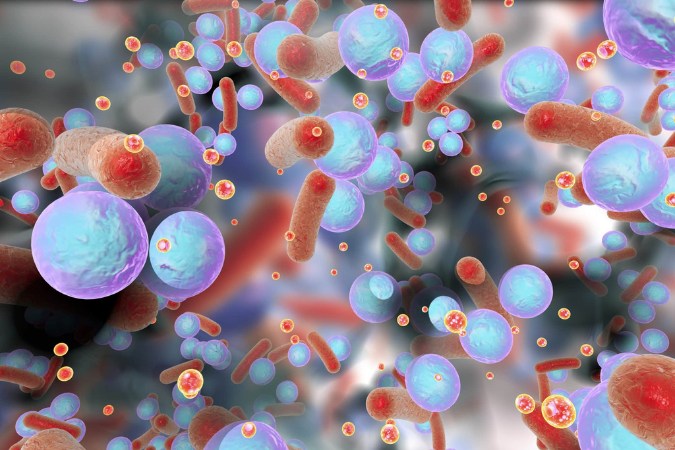
In the ongoing battle for food safety, one of the most formidable adversaries is one you may not even be able to see: biofilm. A biofilm is a complex community of microorganisms that attach to a surface and encase themselves in a protective, slimy layer. Once established, biofilms can be incredibly difficult to remove and can act as a persistent source of contamination, shedding harmful bacteria into your product stream.
Understanding how biofilms form and where they are likely to be found is the first step in controlling this insidious threat. At Analytical Microlabs, we help facilities hunt down and eliminate biofilms through a combination of expert advice and targeted testing.
What is Biofilm?
Biofilm formation is a multi-stage process. It begins when free-floating bacteria attach to a surface. If not removed, they begin to multiply and produce a sticky, protective matrix of Extracellular Polymeric Substances (EPS). This matrix shields the bacteria from cleaning agents and sanitizers, making them much more resistant than their free-floating counterparts.
Common foodborne pathogens like Listeria monocytogenes and Salmonella are notorious for their ability to form biofilms.
Where Do Biofilms Hide?
Biofilms can form on almost any surface that is frequently wet, but they are particularly common in areas that are difficult to clean. These “niche” environments can act as a constant source of contamination. Common hiding spots include:
- Hollow Rollers on Conveyors
- Cracks and Crevices in Equipment
- Worn or Damaged Seals and Gaskets
- Inside Pipes, Hoses, and Valves
- Drains and Floor Gullies
Even surfaces that appear clean after a standard sanitation cycle can be harboring a mature biofilm.
The Fight Against Biofilm
Controlling biofilms requires a multi-faceted approach that goes beyond routine cleaning.
- Hygienic Equipment Design: Choose equipment that is designed to be easily disassembled and cleaned, with no hard-to-reach areas.
- Aggressive Sanitation: Your sanitation program must include a mechanical cleaning step (i.e., scrubbing) to break up the biofilm matrix, followed by the application of an appropriate sanitizer at the correct concentration and contact time.
- Routine Inspection: Regularly disassemble equipment to inspect for any signs of buildup or wear.
- Environmental Monitoring: A robust environmental monitoring program (EMP) is your best tool for finding biofilms. By swabbing both food-contact and non-food-contact surfaces, you can identify the presence of indicator organisms or pathogens that may signal a biofilm issue.
How AML Can Help
Analytical Microlabs provides the testing services you need to detect and control biofilms in your facility.
- Environmental Swabbing: We provide the swabs and analysis to test your equipment and production environment for the presence of spoilage organisms or pathogens.
- Trend Analysis: By tracking your environmental monitoring results over time, we can help you identify persistent “hotspots” that may indicate a biofilm.
- Consultancy: Our expert team can provide advice on sampling plans and sanitation strategies to help you win the war against biofilms.
Don’t let biofilms become a hidden factory in your facility. A proactive and scientific approach to sanitation and environmental monitoring is the key to keeping this threat under control.
Contact us today to learn more about our environmental monitoring programs.