
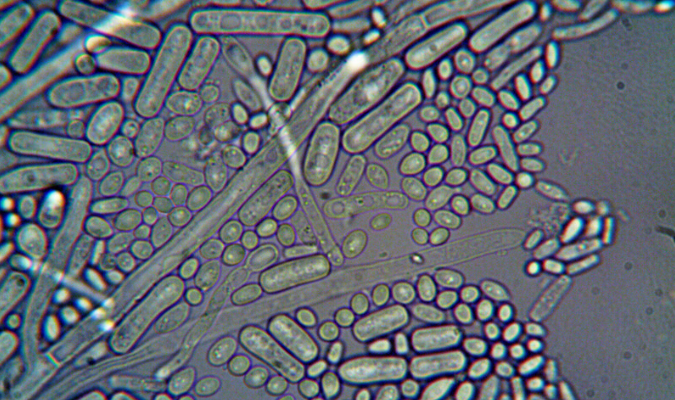
E. coli and coliform testing is commonly requested for water, fresh produce, food products and hygiene investigations. These tests can be valuable indicators, but a result only makes sense when the business knows what the sample represents and what question the test is intended to answer.
Testing a food product, a process-water outlet, an ice machine and a food-contact surface are different activities. The sample type, method, criteria and response should be selected accordingly.
Where E. coli testing may be relevant
E. coli testing may support water-quality assessment, fresh-produce hygiene verification, defined food specifications or an investigation. Coliform testing may be considered in suitable water or process-hygiene programs. Additional testing may be needed if the concern relates to a targeted pathogen or a broader microbial load.
| Sample or application | Potential testing discussion |
|---|---|
| Water used for food preparation | E. coli, coliforms and other agreed water parameters |
| Ice production | Water and ice testing plus machine and handling review |
| Fresh produce | E. coli or indicator testing where relevant to the risk assessment |
| Finished product | E. coli, TVC, coliforms, pathogens or other product-specific tests |
| Environmental hygiene | Swabbing, TVC and indicator or allergen verification as appropriate |
Do not treat indicators as a complete pathogen screen
A negative E. coli result does not demonstrate that a product is free from every pathogen. A positive result does not identify the exact contamination route on its own. Results should be interpreted with information about the sample location, product or water use, collection method, storage, previous results and process history.
The business should also ask whether a broader panel is appropriate. Salmonella and Listeria testing may be relevant to specific food hazards; TVC may help monitor general microbial load; yeast and mould may be important for spoilage and shelf-life.
How AML can help
Analytical Microlabs provides E. coli and coliform testing and can discuss additional microbiological tests for food, water, ice, produce and environmental samples. AML can help clarify what the sample should represent and how the result may support a business decision.
Before requesting a test, define the decision it needs to support. That simple step makes the laboratory report more useful and reduces the risk of collecting data that does not answer the operational question.