
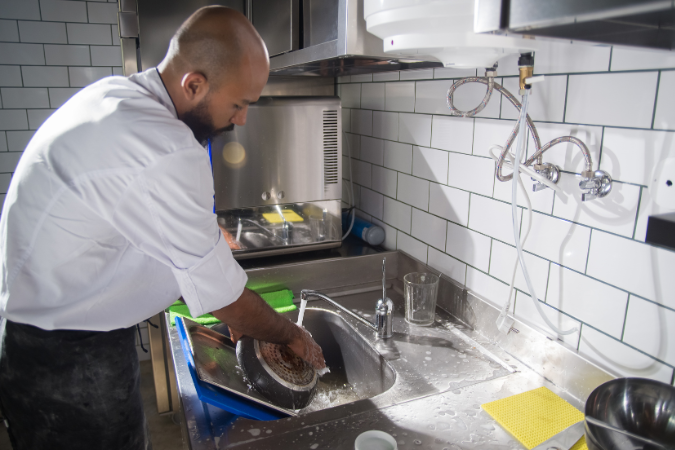
For any restaurant, maintaining a high standard of kitchen hygiene is fundamental to success. A clean kitchen is not just about passing inspections and looking good for customers; it’s about protecting public health and ensuring the safety and quality of the food you serve. While most restaurant operators have a regular cleaning schedule in place, there are often gaps in these programs that can leave a business vulnerable to contamination risks.
The key to a truly effective hygiene program is verification: how do you know that your cleaning efforts are actually working? At Analytical Microlabs, we help food service businesses answer this question through professional microbial testing.
The Weakness of Visual Inspection
The most common method for checking cleanliness in a restaurant kitchen is a simple visual inspection. While this is an important first step, it cannot detect the presence of harmful bacteria, viruses, or moulds that may be lurking on a surface that appears to be clean. This is where many hygiene programs fall short—they lack a scientific verification step.
Common Hygiene Gaps
Our experience in testing commercial kitchens has revealed several common areas where hygiene protocols often fail:
- Ice Machines: Often overlooked in routine cleaning schedules, ice machines can be a breeding ground for slime moulds and bacteria. Regular testing of both the ice itself and the internal surfaces of the machine is crucial.
- Post-Mix Drink Nozzles: These are in constant contact with sugary drinks and are a prime location for yeast and mould growth, which can lead to off-flavors and potential health risks.
- High-Touch, Non-Food Contact Surfaces: Refrigerator handles, oven dials, and POS touchscreens are touched by many different hands throughout a shift and can be a major source of cross-contamination.
- Can Openers: Both the blade and the body of a can opener can accumulate food residue and bacteria, and are often not cleaned effectively.
- Reusable Wiping Cloths: If not managed properly, wiping cloths can simply spread contamination from one surface to another. They should be changed frequently and sanitized properly.
The Value of a Testing Program
By implementing a simple and cost-effective testing program, you can move beyond guesswork and get a real measure of your kitchen’s hygiene. A program of regular surface swabbing can help you:
- Verify Your Cleaning Procedures: Get objective proof that your cleaning chemicals and methods are effective.
- Train Your Staff: Use testing results as a powerful tool to educate your staff on proper hygiene techniques.
- Prevent Foodborne Illness: Identify and address potential contamination issues before they lead to a customer complaint or, worse, an outbreak.
- Protect Your Brand: Demonstrate your commitment to food safety and build trust with your customers.
A Simple Step to a Safer Kitchen
A proactive hygiene testing program doesn’t have to be complicated or expensive. By focusing on a few key risk areas and testing them on a rotational basis, you can gain valuable insights into the effectiveness of your hygiene program and make targeted improvements.
Contact Analytical Microlabs today to learn more about our simple and affordable testing programs for restaurants and food service businesses.