As winter rolls in, many food businesses bring on seasonal staff to handle changing workloads. But with new faces in the facility comes a higher risk of food safety issues…
As winter sets in, many food and beverage manufacturing facilities across Australia scale back production or shut down entirely. Whether for routine maintenance, energy savings, or seasonal slowdowns, these shutdowns…
Introduction: Traceability is a crucial element of food safety that allows manufacturers to track and trace food products at every stage of production, processing, and distribution. By having a clear…
Introduction: Building a strong food safety culture is crucial for any food manufacturer aiming to meet industry standards and ensure the safety of their products. A culture of food safety…
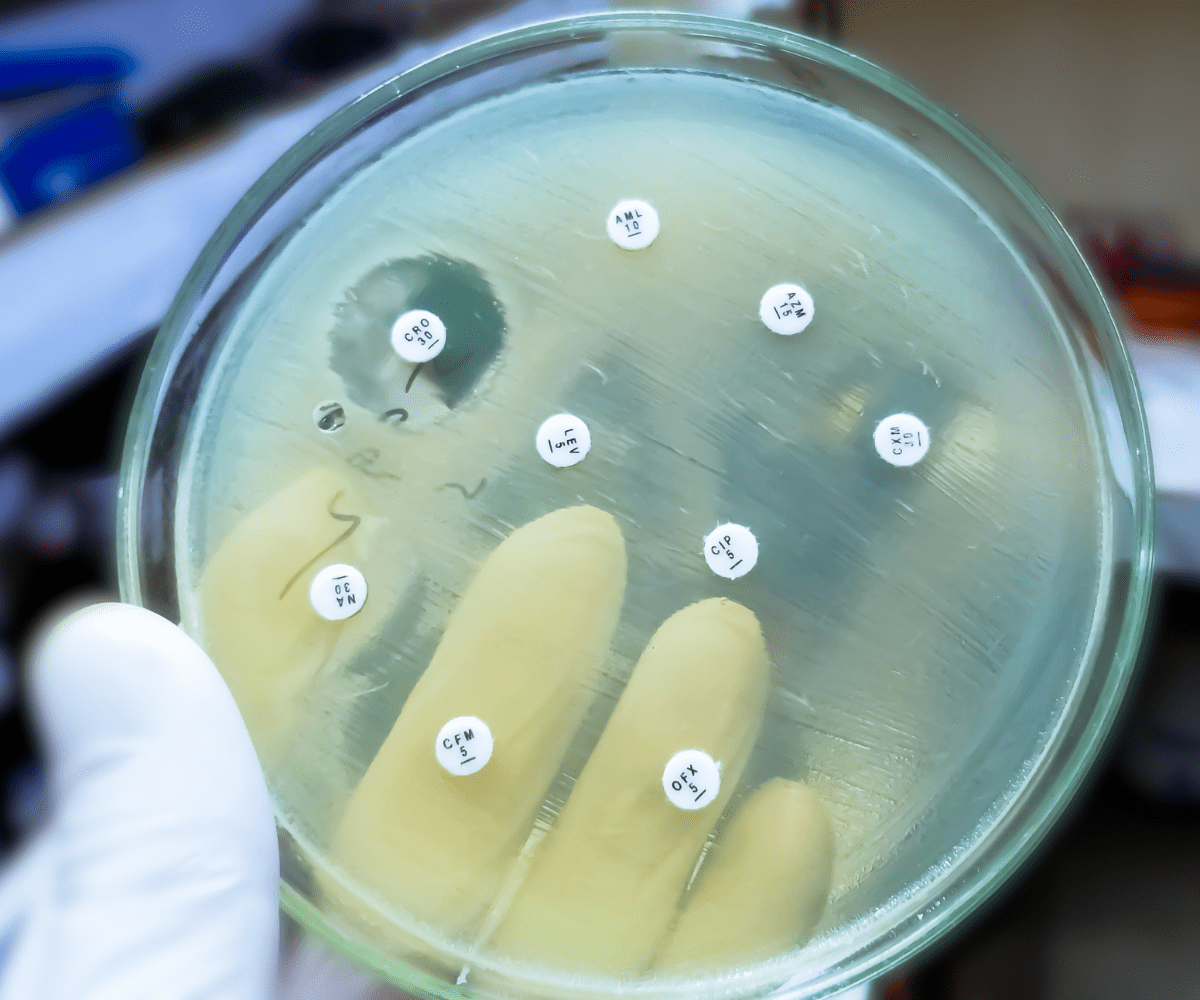
Introduction: Antibiotic resistance is a growing global concern, and it has significant implications for food safety. The overuse of antibiotics in livestock farming has led to the rise of antibiotic-resistant…
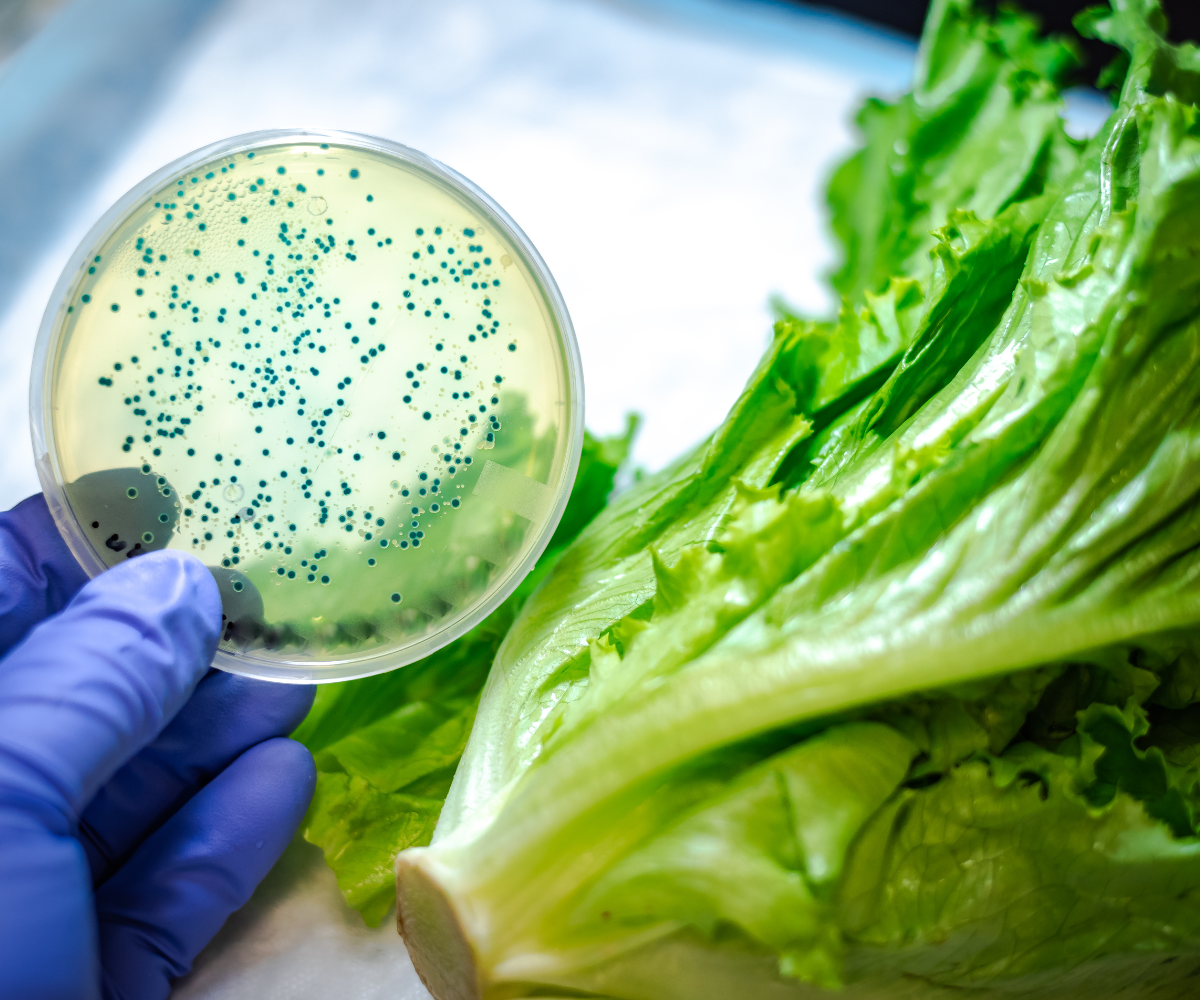
Introduction: Microbiological testing (or micro testing) is essential for maintaining food safety and ensuring your products meet required food safety standards. Pathogens such as Salmonella, Listeria, and Spoilage Bacteria such…
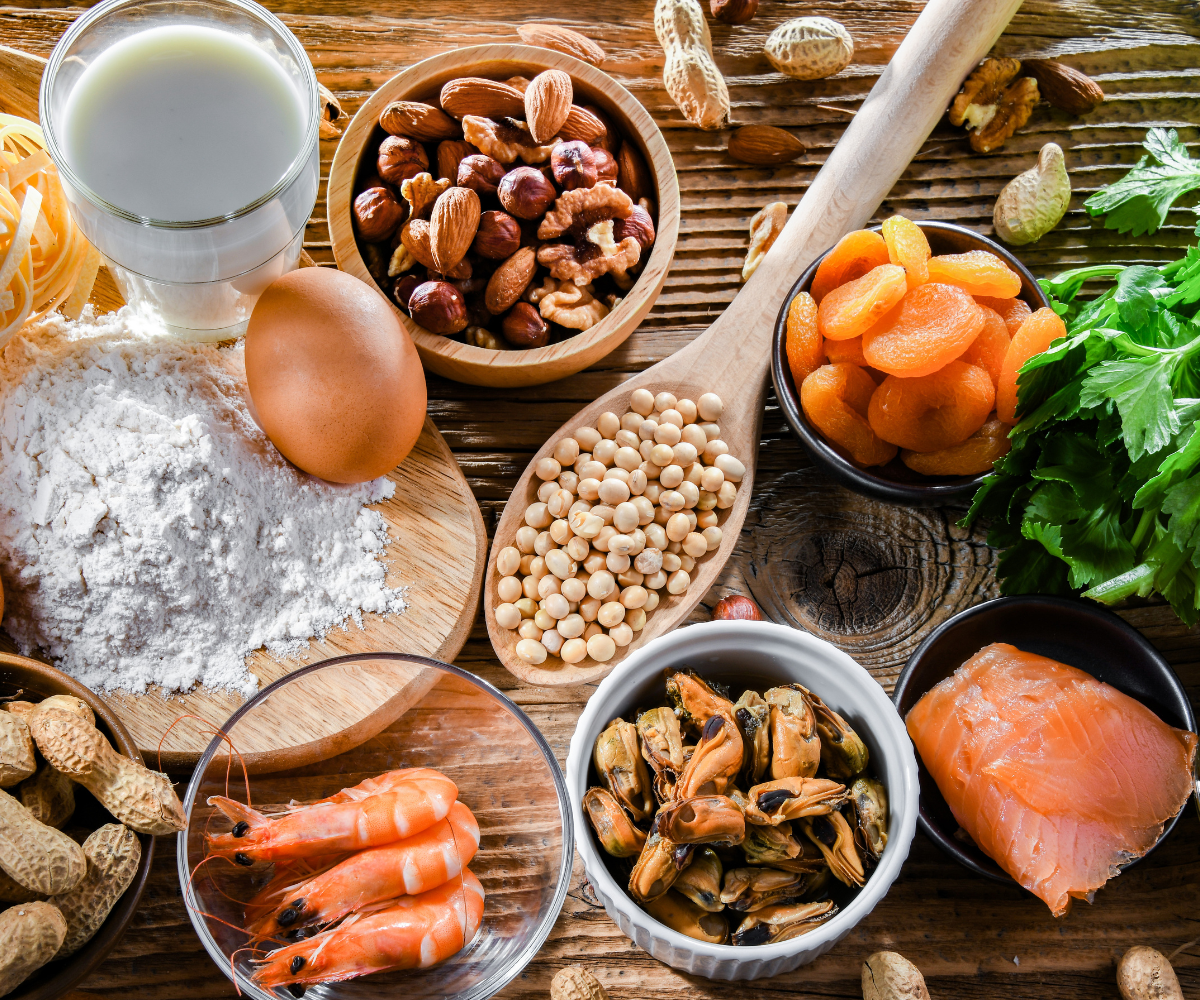
Introduction: Food allergies are a growing concern globally, with millions of people at risk of severe reactions, sometimes even from trace amounts of allergens. For food manufacturers, allergen testing is…
Introduction: Cross-contamination is one of the most significant threats to food safety, and it can occur at any stage of the food supply chain—from raw ingredient handling to final packaging.…
Introduction: Water is one of the most essential ingredients in food production, but many overlook its critical role in maintaining food safety. Whether it's used for cleaning equipment, food preparation,…
Introduction: As we transition through the seasons, food manufacturers must adapt to changing environmental conditions to maintain the safety and quality of their products. Spring and summer bring unique challenges,…