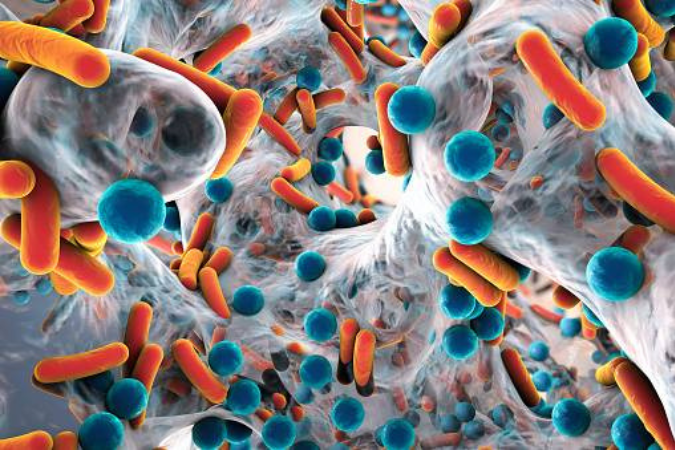
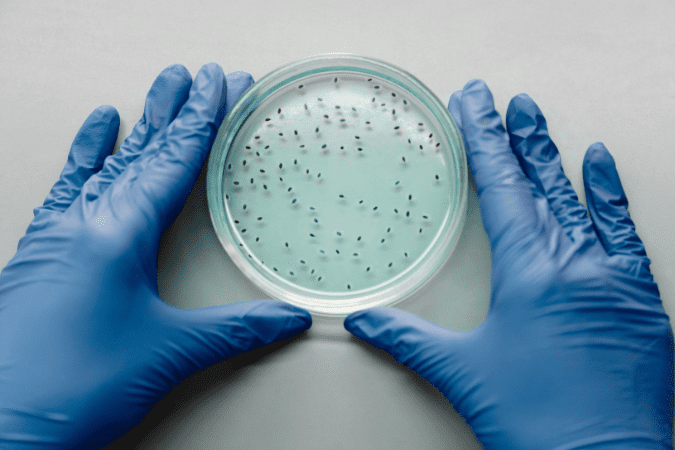
Biofilms are one of the toughest, most persistent food safety challenges - and summer conditions make them even more resilient. These microbial communities stick to surfaces, resist sanitiser chemicals, and…
Air is one of the most underestimated contamination vectors in food production. While surfaces, equipment, and water systems receive consistent attention, the microbial condition of the air - and the…
Allergen control is a year-round priority, but summer brings unique conditions that increase cross-contact risk. Higher production volumes, seasonal staff, elevated temperatures, and more rapid turnover of product lines create…
Water is one of the most important - and most overlooked - contributors to food safety. During summer, warmer temperatures, heavy rainfall, increased water usage, and changing environmental conditions elevate…
Every summer, food facilities experience an influx of temporary workers, holiday roster changes, and increased production demand. While this helps businesses keep up with seasonal volume, it also introduces one…
Australia’s warm season brings higher foot traffic, increased humidity, fluctuating temperatures, and heavier production cycles across food manufacturing. Unfortunately, it also brings an uptick in microbial contamination. Summer is one…
Water systems inside commercial, industrial, and public facilities can harbour a range of microbial threats - but none are as misunderstood, underestimated, or potentially dangerous as Legionella. While many organisations…
Intro A failed hygiene test doesn’t mean disaster - it’s an opportunity to fix problems quickly and prove your system works. The key is to respond systematically, not emotionally. Step…
Intro Hygiene isn’t just about avoiding fines - it can actively grow your business. Venues that treat hygiene as part of their marketing see higher membership retention, more bookings, and…